Tarot Basics: Understanding the Cards
Understanding tarot begins with familiarizing yourself with the structure and symbolism of the cards. A standard tarot deck contains 78 cards, each with its own imagery, symbolism, and story. Learning these elements is the first step toward meaningful tarot interpretation.
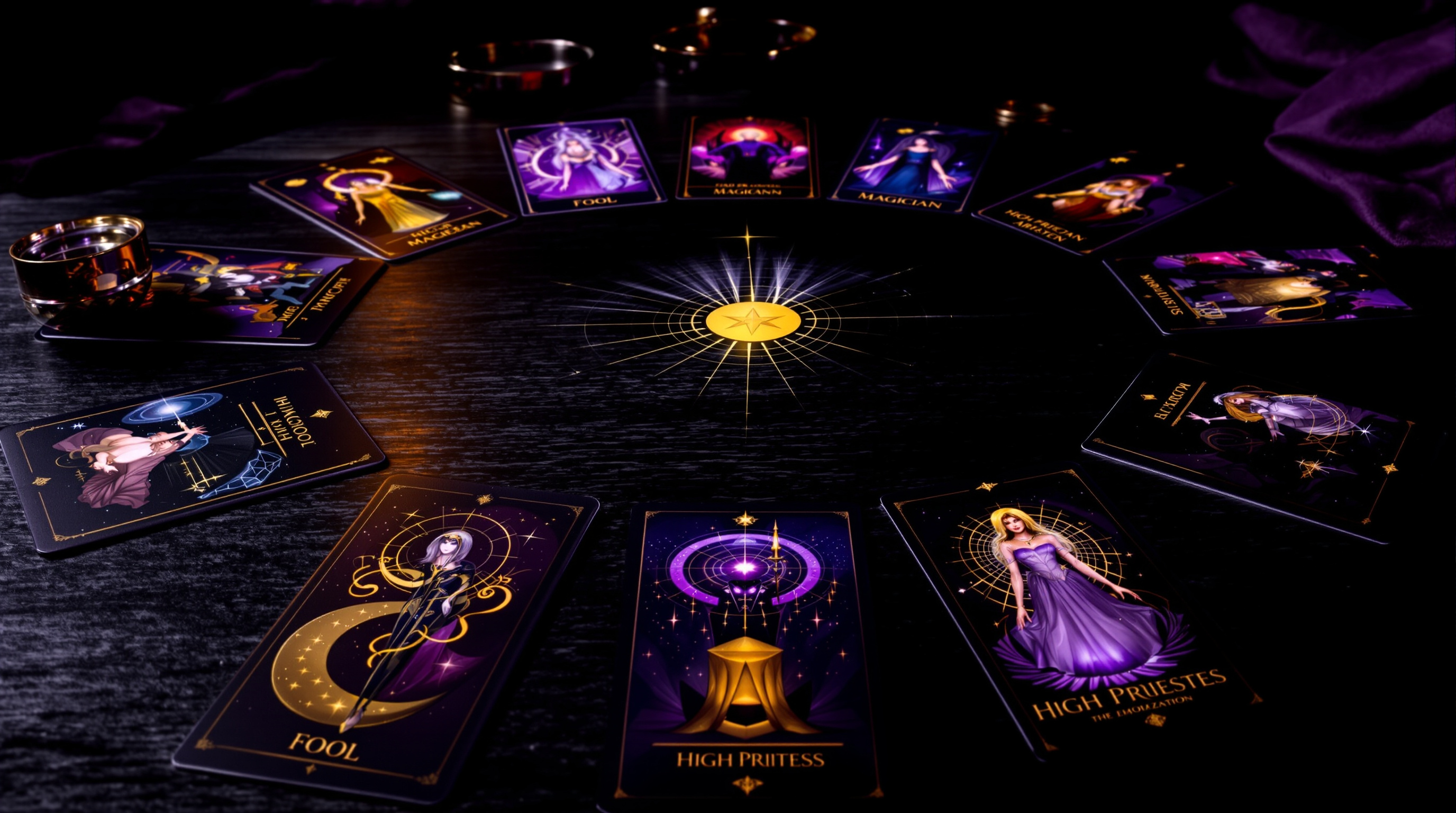
The Major Arcana
The Major Arcana consists of 22 cards numbered 0 through 21, beginning with The Fool and ending with The World. These cards represent significant life events, spiritual lessons, and archetypal energies that shape our existence. When Major Arcana cards appear in a reading, they often indicate important life themes or turning points.
Each Major Arcana card carries profound meaning. The Fool represents new beginnings and innocent faith. The Magician symbolizes manifestation and willpower. The High Priestess embodies intuition and hidden knowledge. The Empress connects to abundance and nurturing energy. These archetypal images speak to universal human experiences that transcend culture and time. For a comprehensive reference, explore Britannica's tarot overview.
The Minor Arcana
The 56 cards of the Minor Arcana are divided into four suits: Wands, Cups, Swords, and Pentacles. Each suit corresponds to different aspects of life and contains numbered cards (Ace through 10) plus four court cards (Page, Knight, Queen, and King).
Wands
Relate to passion, creativity, energy, and spiritual growth. They're associated with the fire element and often point to projects, ambitions, and personal drive.
Cups
Deal with emotions, relationships, intuition, and the realm of feelings. Connected to water, these cards frequently address matters of the heart and emotional well-being.
Swords
Represent thoughts, communication, challenges, and mental activity. As the air element suit, they often appear when intellectual decisions or conflicts are at play.
Pentacles
Concern material matters including finances, career, health, and physical well-being. Earth element cards, they ground us in practical concerns.
Reading the Cards
Effective tarot reading combines knowledge of traditional card meanings with intuitive interpretation. While learning established meanings provides a foundation, the true skill lies in synthesizing multiple cards into a coherent narrative that speaks to the querent's situation.
Card positions within a spread, relationships between cards, and subtle symbolic details all contribute to a reading's depth. With practice, readers develop the ability to see beyond individual card meanings to understand the larger story the cards are telling. Resources like Learn Tarot offer excellent structured courses.
Reversed Cards and Their Significance
Many beginners wonder whether to read reversed cards — cards that appear upside down when drawn. Some readers interpret reversals as blocked energy, delays, or the shadow side of a card's upright meaning. Others choose to read all cards upright, relying on surrounding cards and intuition for nuance.
There is no single correct approach. If you choose to incorporate reversals, begin gradually by noting how the reversed meaning shifts your interpretation. With time, reversals add depth and subtlety that enrich your reading practice considerably.
Getting Started
If you're new to tarot, begin by spending time with your deck daily. Draw a single card each morning and reflect on its meaning throughout the day. Keep a tarot journal to track your interpretations and insights. Over time, you'll develop a personal relationship with the cards that enhances your intuitive abilities.
Remember, tarot mastery doesn't happen overnight. Like any skill, it requires patience, practice, and a willingness to learn from both successes and mistakes. Trust the process, and the cards will gradually reveal their wisdom to you.