Choosing Your First Tarot Deck
Selecting your first tarot deck is an exciting step in your spiritual journey. With hundreds of decks available, finding the right one can feel overwhelming. This guide helps you navigate the options and choose a deck that will serve you well for years to come.
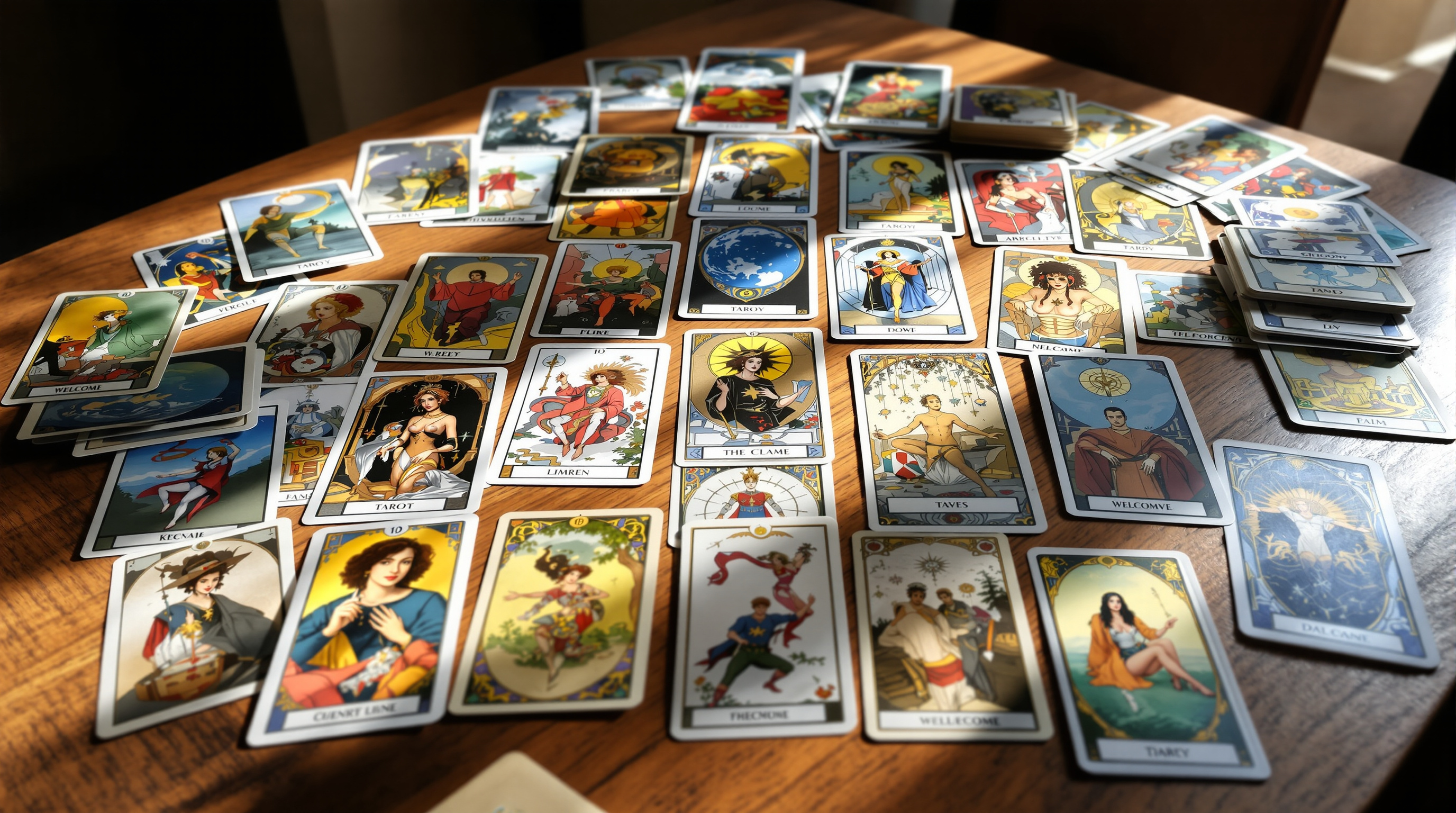
The Rider-Waite-Smith Tradition
Most beginners start with the Rider-Waite-Smith deck or one of its many derivatives. Created in 1909 by Arthur Edward Waite and illustrated by Pamela Colman Smith, this deck established the visual language most modern tarot uses. Its fully illustrated Minor Arcana cards make it easier to learn card meanings intuitively.
The Rider-Waite-Smith's influence is so pervasive that most tarot books and courses reference its imagery. Starting with this deck or a close variant ensures you can easily use available learning resources.
Other Major Traditions
Thoth Tarot
Created by Aleister Crowley with artist Lady Frieda Harris, the Thoth deck offers a more esoteric approach rooted in Kabbalistic and astrological symbolism. Its complex imagery rewards deep study but can challenge beginners.
Marseille Tarot
This historic style features unillustrated pip cards (numbered cards showing only suit symbols). While traditional, the Marseille requires more developed intuition to read effectively.
Modern Variations
Contemporary deck creators have reimagined tarot through countless lenses - from diverse cultural perspectives to specific themes like animals, mythology, or fantasy. While these decks offer fresh imagery, beginners should ensure they maintain traditional tarot structure (78 cards with standard suits and Major Arcana).
Some modern decks deviate significantly from traditional symbolism. These can be beautiful and meaningful but may confuse those still learning standard interpretations. Explore tarot deck reviews and databases to discover the variety available.
Physical Considerations
Beyond imagery, consider practical factors:
- Card Size: Standard poker-sized cards shuffle easily. Larger cards display art better but challenge small hands. Some readers prefer mini decks for portability.
- Cardstock Quality: Better quality cards shuffle smoothly and last longer. Laminated finishes resist wear but can feel slippery.
- Art Style: Choose imagery that genuinely appeals to you. You'll spend countless hours with these cards - make sure you enjoy looking at them.
Connecting with Your Deck
Many readers believe decks choose us as much as we choose them. When shopping, notice which decks catch your attention. If possible, handle decks before purchasing - notice how they feel in your hands and whether the imagery sparks intuitive responses.
Once you've selected a deck, spend time getting acquainted. Look through each card individually, noting impressions and feelings. Sleep with the deck near your bed for a few nights. Some readers carry new decks with them throughout the day to infuse them with personal energy.
Caring for Your Deck
How you store and handle your tarot deck contributes to the quality of your readings. Many readers keep their cards wrapped in silk or stored in a dedicated wooden box to protect the energy. Periodically cleansing the deck — through smudging, moonlight exposure, or simply holding the cards with focused intention — keeps the connection between reader and deck vibrant.
Avoid lending your primary reading deck to others casually, as the energetic imprint of multiple handlers can muddy intuitive impressions. If you read professionally, consider maintaining a separate deck for client sessions.
First Deck Recommendations
For most beginners, we suggest starting with the classic Rider-Waite-Smith or popular variants like the Morgan-Greer or Universal Waite. These decks provide clear, readable imagery with abundant learning resources. Once you've mastered fundamentals, you can always explore other decks that call to you.